Hire an app developer by deciding what you need first, then comparing three or four candidates on the same brief. Ask to see real apps they have shipped, speak to their past clients, and get ownership of your code and data in writing before any money changes hands. A good developer will ask you as many questions as you ask them.
The short version
- Write a short brief first, so every candidate quotes for the same thing.
- Look at live apps and talk to past clients, not just a portfolio.
- Get ownership in writing: your code, your designs and your accounts.
- Be wary of instant exact quotes, vague pricing and anyone who dodges the ownership question.
- Start small. A short, paid first phase shows you how they work before you commit the whole budget.
Start with a short brief
You do not need technical language. A page is enough. Write down:
- the problem you are solving, and for whom
- what the app must do (make a list of must-haves and nice-to-haves)
- whether it needs to be a web app, a mobile app or both (if you are unsure, say so and ask each candidate to explain their thinking)
- any systems it needs to connect to, such as your website, payments or a CRM
- your budget range and when you need it
The same brief for everyone is what makes the quotes comparable. If you are unsure whether you need a web app or a mobile app, our guide to web apps and mobile apps explains how to choose.
Freelancer, small studio, agency or in-house?
These are general patterns, not rules. Individual people and companies vary a lot.
| Option | Often a good fit when | Watch out for |
|---|---|---|
| Freelancer | The project is small and well defined, and the budget is tight. | One person is a single point of failure. Check who owns the code and that documentation is included. |
| Small studio | You want a team and personal attention without agency overhead. | Ask who actually does the work and how many projects they take on at once. |
| Larger agency | The project is big or complex and needs many skills. | Higher prices, and you may deal with account managers rather than the people building. |
| In-house hire | You will be building and changing the product for years. | Recruiting takes time, and salaries and management are ongoing costs. |
Where to look
- Referrals. Ask other business owners who they used and whether they would use them again. This is usually the best starting point.
- Review directories such as Clutch. Clutch collects its data from verified client reviews, which is useful. Its listings also include sponsored and featured placements, so read the reviews and not just the ranking.
- Business networks and LinkedIn, where you can see who recommends whom.
- The app stores. If a developer says they built an app, you should be able to find it and download it.
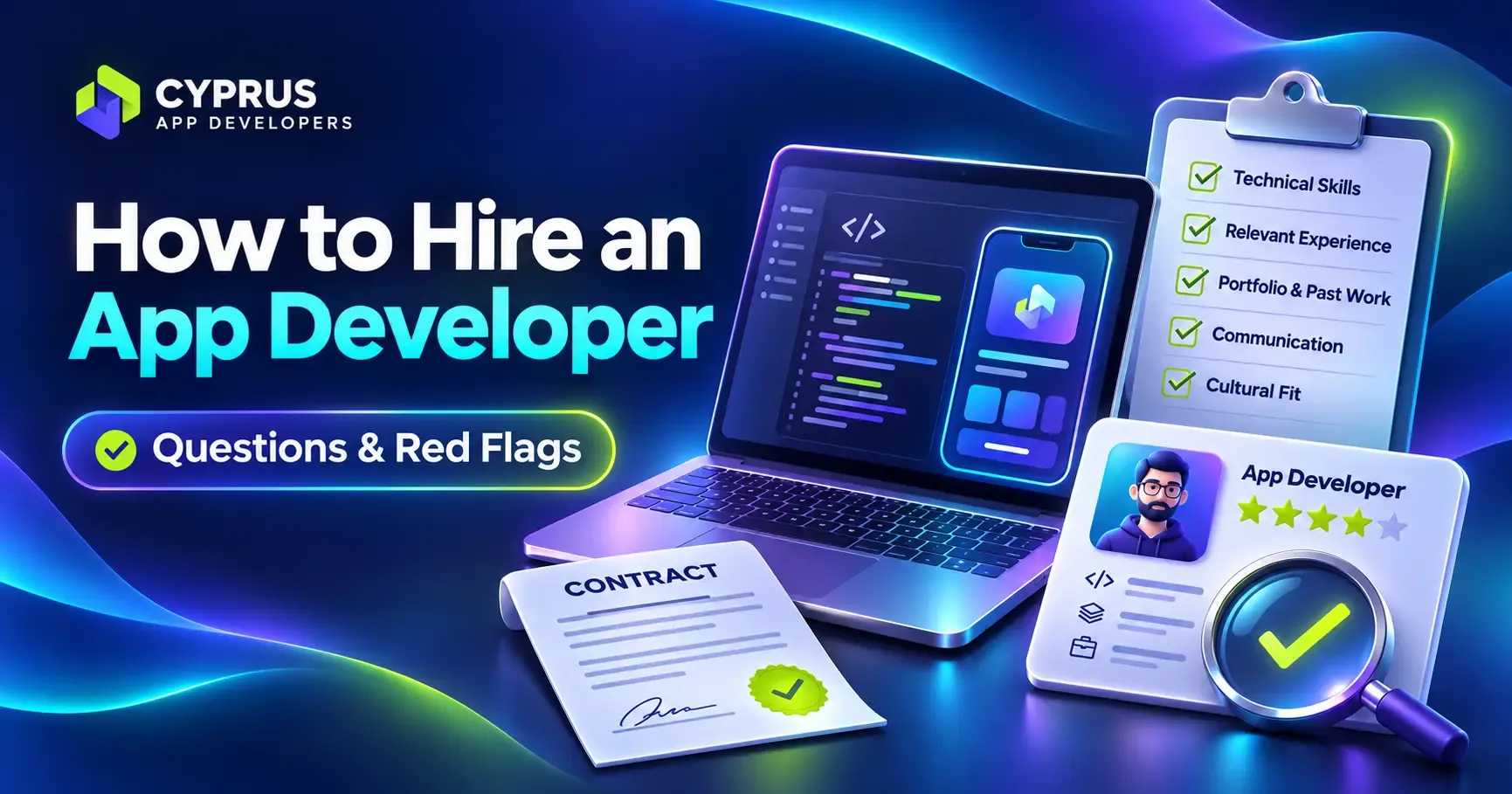
Questions to ask before you hire
About their work
- Can I see apps you have built that are live today, not mock-ups? Can I speak to the people you built them for?
- What was your part in each one? Did you build it, or manage it?
- Tell me about a project that went wrong and what you did about it.
About how they work
- Who will actually build my app, and will I speak to them directly?
- How and how often will I see progress?
- How do you handle changes once the work has started?
- How do you test the app before it reaches my users?
About AI
- Do you use AI tools to write code, and how is the result tested and checked?
Many developers now use AI. That is not a problem in itself, but a straight answer is a good sign. Ask who is responsible for checking the code, and whether an independent review is available for apps that handle payments or sensitive data.
About money
- Is the price fixed or hourly, and exactly what is included?
- How are changes priced?
- What will it cost to run and maintain after launch?
About ownership and data
- Who owns the code, designs and other assets when the project ends?
- Will I receive the source code and documentation?
- Will the app store and hosting accounts be in my name?
- If you are unavailable, can another developer take over?
- Will you sign a data processing agreement?
That last question matters if the developer will handle personal data on your behalf, for example by hosting the app or managing your users’ data. Under GDPR (Article 28), you need a written contract with anyone who processes personal data for you. It has to say they only act on your documented instructions, keep the data secure, get your permission before using another processor, and delete or return the data when the work ends. This is general information, not legal advice.
About after launch
- What support is included, and for how long?
- What does ongoing maintenance cost?
Red flags
These appear on many hiring checklists, and they match what we would watch for ourselves.
- They quote an exact price in the first conversation, before asking you anything.
- They are vague or evasive about who owns the code.
- They cannot show live apps or give you references.
- The price is a single number with no breakdown of what is included.
- “We will figure it out as we go”, with no written scope.
- No documentation, or reluctance to hand over the source code.
- A price far below everyone else’s, with no explanation of why.
- Pressure to sign quickly or to pay most of the money up front.
What the contract should say
- Scope and deliverables in plain language.
- Price and a payment schedule tied to milestones, not all up front.
- Ownership of the code, designs and other assets passes to you, usually on payment, in writing.
- Source code and documentation are handed over.
- Accounts in your name: the App Store, Google Play, hosting and domain accounts. Apple charges developers $99 a year and Google a one-time $25 to publish, and you want those accounts to belong to you.
- Support or a warranty period after launch.
- Confidentiality.
- Data protection terms, including a data processing agreement where needed.
- What happens if either side ends the contract: you receive everything built so far.
Some guides also suggest escrow for the code, so you can still get at it if the developer closes down. That is worth considering on larger projects.
Ownership depends on the contract and on local law, so do not assume it. Have a lawyer read anything important before you sign. This is general information, not legal advice. You can read how we handle ownership on our app ownership page.
Start small before you commit
Ask for a small, paid first phase: a written specification, or a first working version of the most important feature. It shows you how they communicate, how they handle problems and whether the work is any good, before you commit the whole budget. It also gives you something real to keep if you decide to go a different way.
How much should it cost?
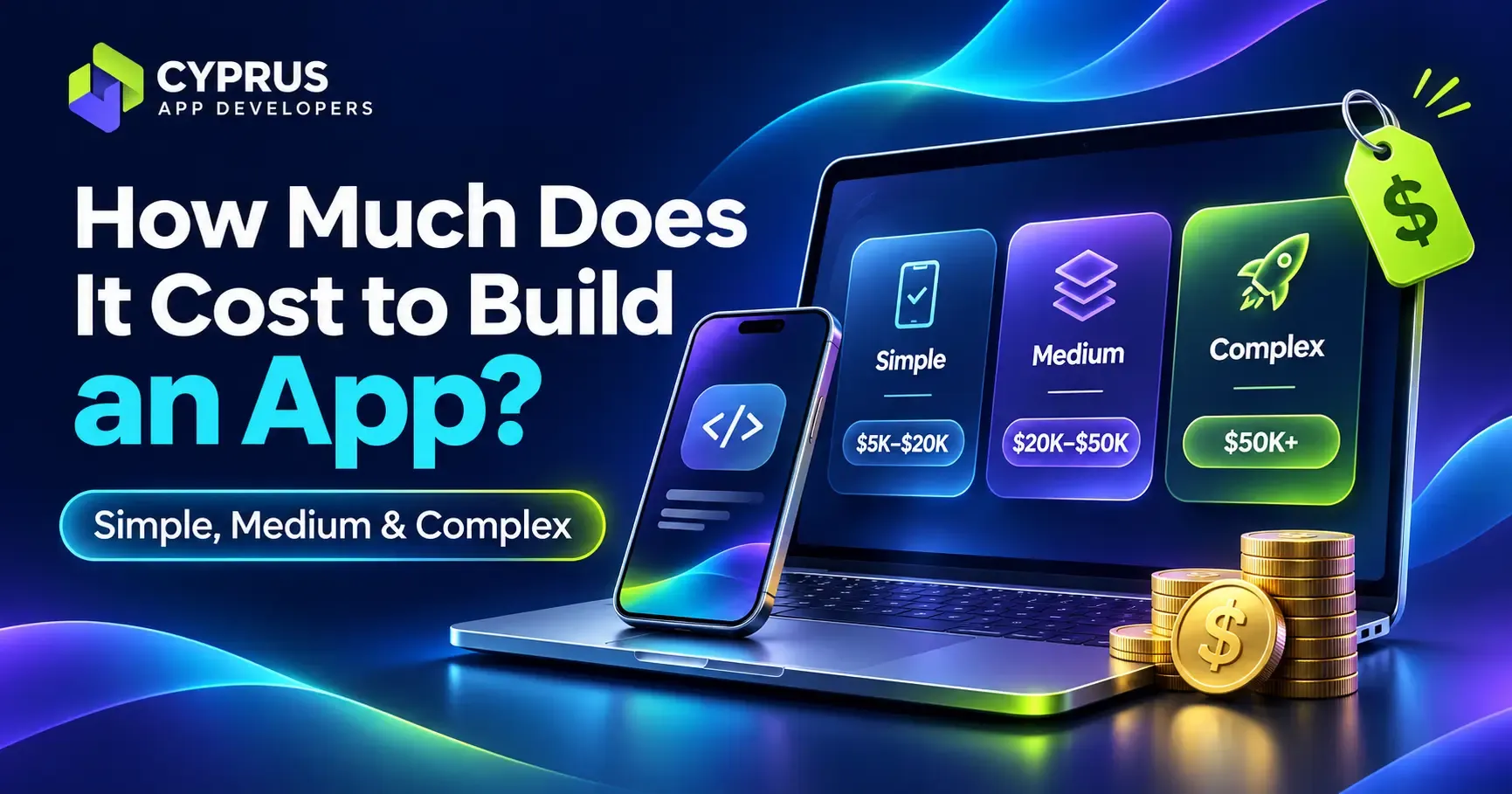
Prices vary widely between developers, regions and projects. We break down typical costs in our guide to what it costs to build an app. Whatever the number is, you should know exactly what it includes and what it does not.
How we work at Cyprus App Developers
- We quote a fixed price after we have written a proper specification with you, so you know exactly what you are getting.
- We use AI to write most of the code, and we say so up front. Everything is tested hands-on with you at every stage.
- If you want extra assurance, we offer an optional independent developer sign-off, priced separately.
- You own what you pay for: your code, your documentation and your options. Everything is built on accounts and platforms you control, and your code lives in a GitHub repository set up under your own email, so any developer could support your app going forward.
- With 30+ years in real-world business and marketing, we ask about your business as well as your app.
- We are a small business, but for large projects we have development partners we can bring on board.
Frequently asked questions
Should I hire a freelancer or an agency?
It depends on the size and risk of the project. A small, clear project can suit a freelancer. A larger one usually needs a team. Whichever you choose, the ownership and handover questions above matter equally.
Do I need to be technical to hire a developer?
No. A good developer explains things in plain English. If someone makes you feel you have to speak developer, that is worth noting.
What if the developer disappears?
If you hold the source code, the documentation and the accounts, another developer can take over. That is why those points are worth settling before you start.
Can I see my app as it is being built?
You should. Ask for regular working demos, not just status reports.
Thinking about hiring? Talk to us first
Tell us what you are thinking and we will give you an honest view, including whether you need a developer at all. Tell us your idea.
Sources
- GDPR Article 28: Processor
- Clutch: How much does app development cost? (its data comes from verified client reviews)
- Apple Developer Program ($99 annual membership)
- Google Play Console registration (US$25 one-time fee)
- Hiring checklists reviewed for common questions and red flags (vendor sources): DesignRush, ChopDawg, Freelancer.com
Last updated: November 2026. This guide is general information, not legal advice.